
كنيسة سيّدة شحلو - القبيّات
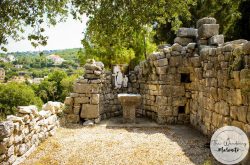
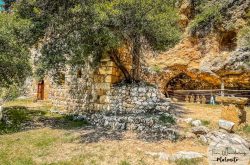
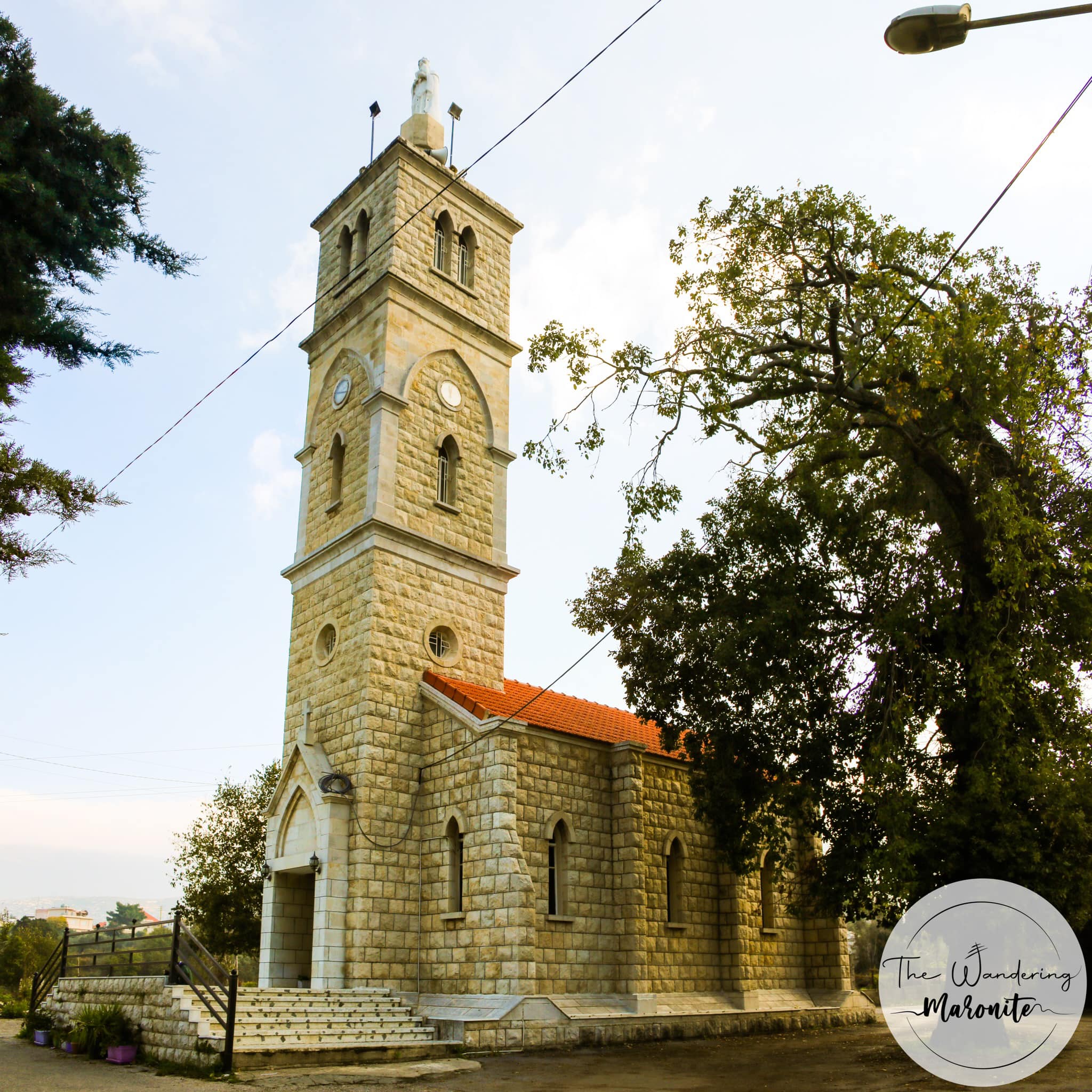
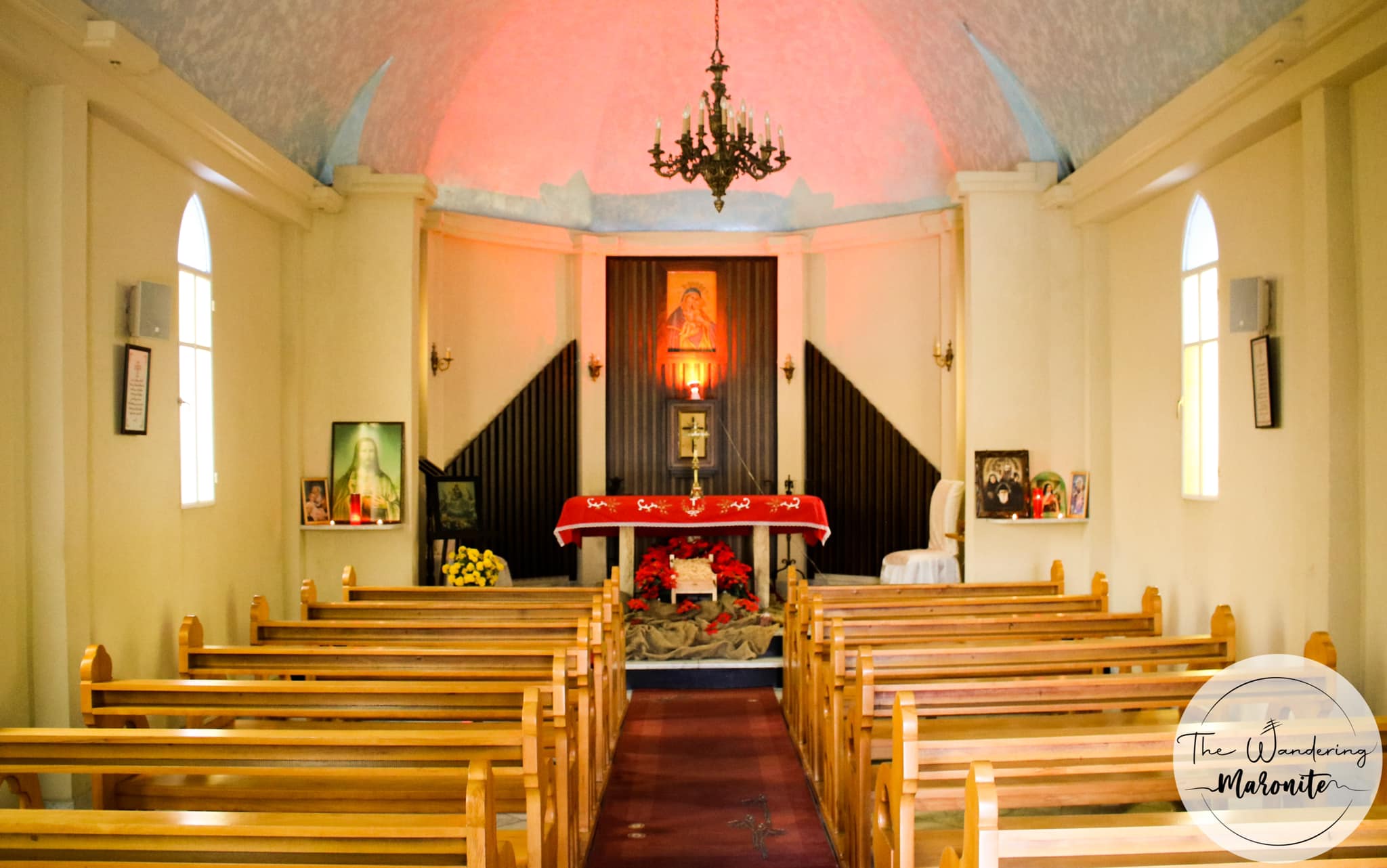
كلمة شَحْلُو من السريانيّة تُشير إلى مجرى المياه. هذه المنطقة قديمًا شكلت المدخل الشماليّ للقبيّات، بنى فيها الأهالي معبدًا وثنيًّا ما لبث أن حوّلوه كنيسةً. دمّر المماليك في حملتهم الكنيسة ليبنوا برجًا للمراقبة. هذا البرج دمّره العثمانيّون بعد معركة مرج دابق سنة ١٥١٦. أواسط القرن العشرين أُعيد بناء الكنيسة بشكلها الحاليّ، مع برج ساعةٍ رُفع عليه تمثال للعذراء في تسعينيّات القرن الماضي. تُعتبر هذه الكنيسة مزارًا ومحجًّا للأهالي.
The church of our Lady of Shahlo - Kobbayat
The word Shahlo is from a syriac root referring to a water source. In ancient times the locals built a pagan temple on the site that was converted into the first church. This church was destroyed by the Mamluks who built a tower on the site that was destroyed by the ottomans after the battle of Marj Dabeq in 1516. In the mid XXth century a church was rebuilt in it’s current form, with a bell tower added in the ninties. The church is considered a votive shrine for the villagers.
دير سيدة الحقلة - دلبتا يعود تأسيس دير سيدة الحقلة في دلبتا – لبنان إلى القرن السادس عشر على يد الخوري يوسف قصاف. عام 1755 شيدت الكنيسة الكبيرة وحفر على عتبة بابها الصليب البطريركي الماروني. راهبات سيدة الحقلة أو الراهبات الحبيسات المسؤولات عن الدير يقضين نهارهنّ في الصلاة، العمل اليدوي والزراعي. هذا الدير الذي كان يجمع الراهبات والرهبان، قصد إحدى رهبانه من حوالي ٤٠٠ سنة تقريباً النمسا بهدف البحث عن جرس جديد حيث كُسر جرس الكنيسة الأساسي على يد الراهب نفسه. وفي التفاصيل، أن ابنة الملك كانت مريضة وسمع هذا الراهب بهذا الأمر فتوجه الى البلاط الملكي وصلّى على الفتاة فشيت في الحال. فقال له الملك، ماذا تريد وكيف اردّ لك الجميل، فقال الراهب، اريد جرساً جديداً أصطحبه معي الى جبل لبنان. فأهداه الملك جرسًا وبيت قربان وكأس قربان ومذبحًا وغيرها من الأمور التي جاء بها الى الدير. ومنذ ذلك التاريخ وهذه التّحف موجودة في الدير حتى يومنا هذا.
The monastery of our Lady of the fields - Dlebta The monastery was built by the priest Joseph Asaf during the sixteenth century. The main church was built in 1755 and a patriarcal cross was engraved on it’s main door. The monastery is now occupied by a patriarcal contemplative order of nuns. When it was built, the monastery was mixed with two communities: monks and nuns. 400 years ago a monk broke the church’s bell when he was ringing it, so he went to Austria where he had an audience with the emperor and asked him for a bell to be taken to Mount Lebanon. After a healing miracle with an austrian princess, the emperor donated a bell, a great tabernacle, a high altar, and a chalice to the monastery. All of these baroque artifacts are still conserved in the monastery today.
Maronite Diocese of Sidon مطرانية صيدا المارونية, Sidon, Lebanon
كاتدرائيّة مار الياس المارونيّة
Saydoun
Jezzine
South
كاتدرائيّة مار الياس المارونيّة صيدا بناها المطران أغوسطينوس البستاني على إسم شفيع المدينة مار الياس الحيّ، لتكون كرسيًّا رسميًّا له في المتروبوليّة. وكان ذلك سنة ١٩٣٨. يَذكر الكتاب المقدّس أنّ مار الباس مرّ في صيدا وهي جزء من الأراضي المقدّسة وعلى اسمه أربع كنائس مارونيّة في المدينة. الكنيسة مبنيّة على النمط البازيليكيّ، لوحة الحنية من رسم الفنان اسعد رنّو. تعرّضت للحرق ابان الحرب الأهليّة سنة ١٩٨١. وأُعيد ترميمها مؤخّرًا سنة ٢٠١٧. من أبرز ما تحويه ذخيرة عود الصليب التي حملها مطران صيدا مار انطونيوس خريش (البطريرك لاحقًا) على إثر المجمع الفاتيكاني الثاني.
St Elijah’s Maronite Cathedral Sidon. It was built during the mandate of archbishop Augustin El Boustany, and was dedicated to Elijah the prophet patron saint of the city, to become the bishop's official new cathedral in the metropolitan city. It was built in 1838 in a basilical plan. The Old Testament states the visit of the prophet to the city. That explains the presence of four churches dedicatd to him in the city. The main painting in the apse is the work of the Lebanese painter Assaad Renno. The cathedral was burnt down during the civil war in 1981, and finally restored in 2017. Its most prized treasure is the Holy Cross relic brought back from the Second Vatican Council by Archbishop Antonios Khoraish (Later Maronite Patriarch).
Old twin church St Takla & Stephan, Chamat, Lebanon
كنيسة مار تقلا ومار أسطفان شامات
1230
Chamate
Jbeil
Mount Lebanon
هي كنيسة مزدوجة، قديمة جدٍّا، تقوم على أنقاض هيكلٍ وثنيّ، على إسم مار تقلا ومار إسطفان. لا يمكن تحديد زمن تحوُّلها من هيكلٍ وثنيّ ٍالى كنيسة، إنّما نستطيع ان نردّ هذه المرحلة تقريبيًّا الى العهد البيزنطيّ، إستنادًا إلى طريقة تنسيق الفسيفساء التي وُجدت في أرضها. وقد بقي من آثار الهيكل الوثنيّ أعمدة ذات أطنافٍ من الطراز الأيوني والدُوري قائمة داخلَ الكنيسة وخارجَها. وقد وُجد في هذه الكنيسة أحد الكتب البيعيّة الذي كُتب على هامشه أنّ البطريرك دانيال الشاماتي(1230-1239) قد كرَّس هذه الكنيسة، وحفر رسم الصليب على احد حجارتها تذكارًا لهذا التكريس. الكنيسة عبارة عن سوقَين تفصل بينهما قنطرتان، وفي كل سوقٍ منهما حنيَّة. وفيها مذبحان هما عبارة عن لوحٍ حجريّ يقوم على قاعدة عامودٍ ضخم. فلوحة مار تقلا ترتفع فوق الإفريز الحجريّ، وهي مرسومة بيد كنعان ديب، مؤرّخة سنة 1863. امّا اللوحة التي تمثّل مار إسطفان فهي من دون تاريخ، وترتفع على الحائط الجنوبي للكنيسة لوحة زيتية للسيّدة العذراء تحملها الملائكة، وهي من دون توقيع ولا تاريخ. وفي الماضي كان هناك رواق حجريّ ذو عقدَين يغطّي مسافةً أمام الكنيسة ولا تزال بقاياه بارزة. ولهذه الكنيسة بابان يقومان في جهتها الغربية. أما أعتابهما فهي عبارة عن اجزاء من أغطية نواويس حجرية يبرز في احدها حفرٌ متقنٌ لرأسَي عجلَينَ.
It is a rare double church, built over the ruins of a pagan temple, dedicated to St Thekle and St Stephen. It is hard to pinpoint the exact time of the conversion, yet the mosaic can help us date the church back to the Byzantine era. The leftovers of the pagan temple are some ionic and doric columns. The Maronite Patriarch Daniel of Chamat (1230-1239) dedicated the church and inscribed his dedication with a cross on the wall. The church consists of two naves separated by a set of columns ending with apses with two altars dedicated to both saints respectively. In the shrine of St Thekle stands her painting by the famous Kanaan Dib and dates back to 1863. Two other paintings adourne the church, both not signed and not dated, one for our lady the other for St Stephen. In front of the church stood once a narthex now in ruins. On the western wall are the two main doors over one of them is an old sarcophagus covered with two intercately carved bulls.
Reviews are disabled, but trackbacks and pingbacks are open.